






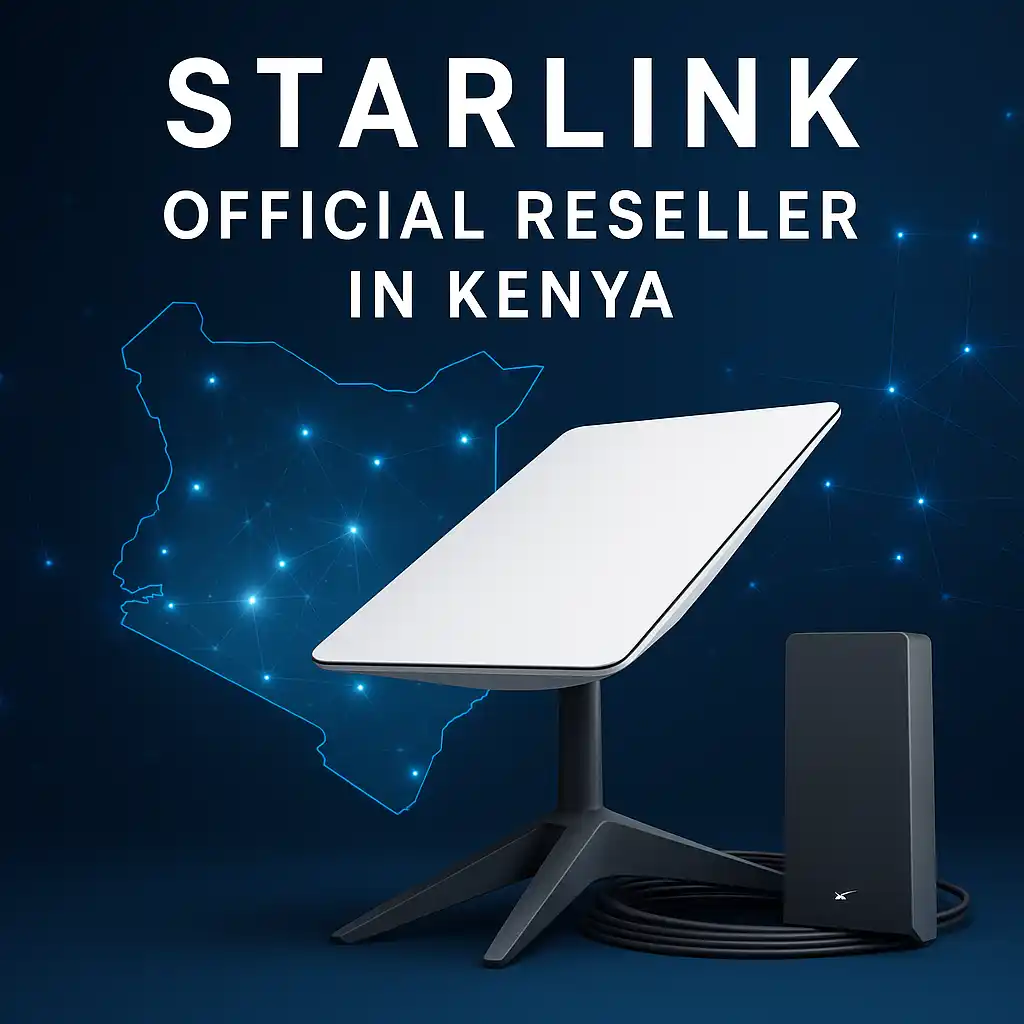
Best Internet Providers in Kenya – Top Choices for Homes and Businesses

In recent years, Kenya has seen a dramatic surge in demand for high-speed and reliable internet. From remote work and virtual classes to online streaming and digital business operations, internet access is no longer a luxury—it’s a daily necessity. This growing dependency has fueled the rise of multiple internet service providers (ISPs) across the country, each competing to offer better speeds, more reliable uptime, and broader coverage to meet the evolving needs of both individual users and corporate clients.
Determining the “best” internet provider depends on several key factors. Speed is at the top of the list—users want fast downloads, buffer-free streaming, and smooth video calls. However, a high-speed connection alone isn’t enough. Customer support plays a crucial role, especially when outages or technical issues arise. Affordability also matters, as users seek a balance between value and price. Lastly, the geographical coverage of the provider is essential, especially for rural or underserved areas where many providers still lag behind.
The Kenyan market today offers a mix of fiber, wireless, satellite, and mobile-based internet options. Providers like Safaricom, Zuku, Faiba, Liquid Intelligent Technologies, and Starlink have emerged as some of the top choices, each with their strengths. Whether you’re a business owner needing reliable uptime, a student attending virtual classes, or a household looking for uninterrupted entertainment, choosing the right ISP can make a significant difference. This article explores the top internet providers in Kenya to help you make an informed decision based on your unique needs.
1. What to Look for in a Top Internet Provider in Kenya

Choosing the right internet provider is more than just picking the cheapest option. You need a provider that balances performance, affordability, support, and availability. Below are the most critical factors to evaluate when selecting a top internet provider in Kenya.
1.1 Speed and Consistency of Connection
-
Real-world performance over time: It's essential that your provider delivers the speed they advertise, not just during installation but consistently across different times of day.
-
Upload and download speeds: While most people focus on download speeds for streaming, strong upload speeds are equally important for Zoom calls, sending files, or gaming.
-
Minimal buffering and lag: Especially for users who stream HD/4K content or play online games, consistency is key. A good provider ensures minimal interruptions and a smooth online experience.
1.2 Nationwide Coverage and Availability in Remote Areas
-
Urban vs. rural access: While many providers serve cities like Nairobi, Mombasa, and Kisumu well, not all extend to peri-urban or rural areas. Top providers offer reliable access even in remote towns.
-
Expanding infrastructure: Leading ISPs are actively investing in base stations, fiber optic lines, and satellite solutions to cover underserved areas.
-
Mobile and portable options: For travelers or mobile workers, a provider with both fixed and portable Wi-Fi solutions (like 4G routers or MiFi devices) is a huge plus.
1.3 Customer Service Responsiveness and Technical Support
-
Availability of support: A top provider has 24/7 support lines, fast ticketing systems, or even WhatsApp service for urgent issues.
-
Fast response and resolution times: Waiting days for a technician or a fix can be frustrating. Providers that resolve issues within hours or same-day are more dependable.
-
Clear communication: Good ISPs communicate planned outages, maintenance windows, or technical updates transparently and promptly.
1.4 Flexible Pricing Plans and Packages
-
Range of options: The best providers offer plans for light users (casual browsing, emails) and heavy users (streaming, gaming, work-from-home).
-
Add-ons and customizations: Some allow you to bundle Wi-Fi with TV, mobile data, or cloud storage, or to pay only for data used (e.g., prepaid models).
-
No hidden fees: Transparent billing with no surprise installation charges, equipment fees, or penalties is a mark of a trustworthy ISP.
1.5 Technology Used – Fiber, 4G, Satellite, Fixed Wireless, etc.
-
Fiber-optic internet: Offers the fastest and most stable internet but is limited to areas with fiber infrastructure.
-
4G/LTE or fixed wireless: Ideal for areas without fiber access. Good for mobile use or homes where cabling isn't feasible.
-
Satellite internet (e.g., Starlink): Game-changing for rural or mobile users, with wide coverage but at a higher price.
-
Router quality and tech support: Top providers offer reliable routers and ongoing firmware updates for optimal network performance.
Selecting a top-tier internet provider in Kenya involves more than comparing prices. It requires understanding your usage needs, verifying coverage in your location, evaluating customer service, and knowing what technology is being used. Whether you're in the city or a rural area, the best provider is one that offers a reliable, fast, and responsive internet experience without breaking the bank.
2. Top Internet Providers in Kenya

Kenya’s internet service landscape features a mix of established nationwide providers, neighborhood-based ISPs, and global satellite options. Each caters to specific user needs—whether it’s high-speed fiber for urban homes or satellite connectivity for rural areas. Below is a detailed overview of Kenya’s top internet providers and what makes them stand out.
2.1 Safaricom Home Fibre – Best for Urban Fiber Users
-
Extensive coverage in major towns: Safaricom Home Fibre has a strong presence in Nairobi, Mombasa, Kisumu, Eldoret, and other major towns, with growing expansion into upcoming urban estates.
-
Reliable fiber speeds: Plans range from 8Mbps to over 100Mbps, suitable for streaming, gaming, video conferencing, and smart home setups.
-
Convenient self-service tools: Customers can manage their accounts through the MySafaricom App, including bill payments, plan upgrades, and outage alerts.
Ideal for: Families, remote workers, and digital content consumers in fiber-ready neighborhoods.
2.2 Zuku – Popular for Bundled TV + Internet Packages
-
Bundle deals with Zuku TV: Zuku stands out for its triple-play offering that combines broadband internet, digital TV, and phone service—all in one bill.
-
Affordable mid-tier pricing: Monthly plans are competitively priced, making them attractive to middle-income households.
-
Stable in Zuku-covered zones: Performance is strong in areas with Zuku’s dedicated infrastructure like Westlands, South B/C, Thika Road, and Mombasa.
Ideal for: Homes that want both Wi-Fi and cable TV at a reasonable price.
2.3 Faiba by Jamii Telecom – Known for Affordable Data Plans
-
Unmatched price-to-speed ratio: Faiba's fiber and 4G mobile data offerings are among the most competitively priced in the market, especially for heavy internet users.
-
Faiba 4G SIM and MiFi options: Offers portability and flexibility for users on the go or those without fiber infrastructure.
-
VOIP and advanced solutions: Faiba also offers Voice over IP (VOIP) and cloud services, appealing to businesses and tech-savvy users.
Ideal for: Students, freelancers, and budget-conscious users needing fast speeds.
2.4 Poa Internet – Affordable Neighborhood Wi-Fi
-
Targeted at underserved communities: Poa focuses on low-income urban areas like Kibera, Kawangware, and parts of Kiambu, offering affordable monthly home Wi-Fi from as low as Ksh 1,500.
-
Unlimited access plans: Users get unlimited browsing without worrying about data caps or throttling.
-
Community-based installation: Poa uses wireless transmitters installed on buildings in your area, reducing the need for underground fiber installation.
Ideal for: Residents in peri-urban estates or informal settlements looking for low-cost, unlimited internet.
2.5 Liquid Telecom (Now Liquid Intelligent Technologies) – Enterprise Connectivity
-
Dedicated internet for enterprises: Liquid is best known for offering robust connections to banks, hospitals, universities, and government agencies.
-
Pan-African fiber backbone: It operates one of Africa’s largest independent fiber networks, ensuring reliability across borders.
-
Custom business solutions: These include cloud hosting, cybersecurity, VPN services, and guaranteed service level agreements (SLAs).
Ideal for: Large businesses and organizations requiring secure and high-performance internet infrastructure.
2.6 Telkom Kenya – Flexible Bundles and Wide Mobile Coverage
-
Mobile Wi-Fi and data bundles: Telkom’s mobile internet plans are among the most flexible, offering daily, weekly, and monthly bundles for both phones and routers.
-
Affordable MiFi and router packages: With frequent promotions and accessible hardware pricing, Telkom is a go-to for prepaid internet users.
-
Expanding 4G footprint: Their 4G network is available in most towns and highways, improving steadily across the country.
Ideal for: Students, mobile users, and travelers who need flexible, portable internet.
2.7 Starlink – Versatile High-Speed Internet for All Locations
-
Reliable Internet Anywhere in Kenya:
Starlink provides seamless satellite internet coverage across the entire country—rural, urban, and everything in between. Whether you're in Nairobi, Turkana, Naivasha, or an offshore island like Lamu, Starlink connects you directly to a constellation of low-Earth orbit satellites, bypassing the need for fiber or mobile towers. This makes it ideal in both areas with poor infrastructure and those with congestion issues from traditional ISPs. -
Urban Performance That Rivals Fiber:
Contrary to the myth that satellite is only for remote use, Starlink delivers speeds up to 200Mbps with low latency even in major towns. For urban residents dealing with unreliable fiber downtime or ISP throttling, Starlink offers a premium, uncapped alternative with consistent performance—perfect for households, gamers, streamers, or remote professionals. -
Flexible Deployment for Homes, Businesses & Mobile Units:
Starlink is plug-and-play and can be deployed on rooftops, construction sites, moving vehicles (with Starlink Roam), lodges, and field camps. This makes it ideal for diverse users including:-
Families who need reliable Wi-Fi with no interruptions
-
SMEs and corporates in need of a dependable backup line
-
Mobile offices, emergency response teams, and events
-
Lodges, ranches, and eco-retreats targeting high-end guests with modern expectations
-
Ideal for:Everyone—from homeowners and digital nomads to business owners, rural farmers, off-grid safari camps, and even urban households tired of outages. Whether you're looking for a primary connection or a backup for your fiber or mobile setup, Starlink adapts to your needs.
Each internet provider in Kenya has carved out a niche based on technology, pricing, or coverage. While urban dwellers may favor fiber-based services like Safaricom or Zuku, mobile professionals or rural homeowners might prefer Starlink or Faiba. Understanding your location, usage patterns, and budget will help you choose a provider that delivers reliability, speed, and support tailored to your needs.
3. Spotlight on Starlink in Kenya

Starlink has emerged as one of the most revolutionary internet service providers in Kenya, especially for users in remote and underserved areas. As a satellite-powered broadband service from Elon Musk’s SpaceX, Starlink promises high-speed internet in areas where traditional fiber, 4G, or wireless options are unreliable or completely unavailable. Here’s a closer look at what makes Starlink unique and how it fits into the Kenyan internet landscape.
3.1 What Makes Starlink Different from Other ISPs
-
Satellite-based connectivity: Unlike fiber or 4G providers that rely on terrestrial infrastructure (cables, masts, and ground stations), Starlink uses low-Earth orbit (LEO) satellites to deliver broadband internet directly from space. This allows it to cover virtually any location, regardless of how remote or rural it is.
-
Minimal infrastructure needed on the ground: No fiber trenches, mobile towers, or signal boosters are required. All you need is a clear view of the sky, the Starlink terminal (dish), router, and power.
-
Global network with local impact: Starlink's technology is part of a global satellite grid, but it's already operational and available across most parts of Kenya. Users have reported speeds ranging between 50 Mbps and 200 Mbps in real-world usage—even in areas where no other ISP is reachable.
3.2 Ideal Use Cases: Rural Homes, Farms, Lodges, and Mobile Offices
-
Rural and off-grid homes: Many homesteads in counties like Turkana, Samburu, Kajiado, or Kitui have no access to fiber or mobile signal. Starlink is ideal for such homes, bringing fast internet to areas previously reliant on slow, unstable options.
-
Tourist lodges and camps: Game lodges, safari camps, and eco-retreats in remote national parks or conservation areas benefit immensely from reliable Wi-Fi, allowing them to offer online bookings, guest connectivity, and operations management.
-
Farms and agricultural enterprises: Starlink supports smart farming by enabling real-time weather monitoring, irrigation management, and access to digital financial tools—even in isolated farmland.
-
Mobile setups: With accessories like the Starlink Roam Kit or power adapters for vehicles, Starlink is suitable for mobile clinics, field engineers, travelling journalists, and remote businesses that need dependable connectivity on the move.
3.3 Installation and Monthly Costs
-
Starter kit costs: As of mid-2025, a typical Starlink Standard Kit in Kenya includes a satellite dish, mounting base, Wi-Fi router, and cables. It costs approximately KES 89,000 to KES 99,000 depending on the version (Standard or Mini).
-
Subscription fees: Monthly internet service costs around KES 6,500 to KES 7,500, depending on your plan. There's no long-term contract, and payment is made via card through the Starlink portal.
-
No data caps: Unlike some mobile data providers, Starlink offers unlimited data usage, making it suitable for streaming, large downloads, online classes, and Zoom meetings without worrying about limits.
-
Do-it-yourself or professional install: The kit is plug-and-play for most users, but professional setup is recommended in areas with obstacles like trees or uneven terrain.
3.4 Local Support Through Installers like Starlite Internet Kenya
-
Local reseller and installer support: Kenyan firms such as Starlite Internet Kenya offer local installation services, sales guidance, troubleshooting, and even accessories like high poles, vehicle mounts, or solar power solutions.
-
Same-day delivery in Nairobi & major towns: Local partners ensure quick delivery and setup, eliminating the need to wait for weeks for overseas shipping from Starlink’s HQ.
-
After-sales support: While Starlink provides support via its app or portal, local installers bridge the gap by offering hands-on help with issues like router placement, firmware updates, or rural power integration.
-
Custom packages and enterprise solutions: For organizations such as NGOs, schools, or large farms, local Starlink partners can bundle Starlink with backup power, routers with extended range, and on-site training.
Starlink is redefining internet access in Kenya by bringing fast, reliable, and uncapped internet to places once considered unreachable. Its satellite-powered infrastructure offers a major advantage for rural homes, mobile operations, and institutions that need dependable connectivity beyond the fiber map. With local support from installers like Starlite Internet Kenya, Starlink is now more accessible than ever—offering a seamless way to stay connected no matter where you are in the country.
4. Comparing Internet Providers – What’s Right for You?

Choosing the right internet provider in Kenya depends on several key factors: your location, your usage habits, your budget, and the type of work or lifestyle you lead. With multiple ISPs offering fiber, mobile data, fixed wireless, and now satellite internet, it can be overwhelming to decide which service fits your needs. This section provides a practical comparison based on real-life scenarios—whether you're at home, running a business, working remotely, or on the move.
4.1 For Home Use – Speed vs. Budget vs. Streaming Needs
-
Speed requirements vary by household: A typical Kenyan home might need 5–15 Mbps for casual browsing and mobile use, but families with teenagers, online learners, or remote workers will benefit from faster speeds (30–100 Mbps). Heavy users—especially gamers or Netflix bingers—require low latency and high bandwidth.
-
Balancing speed and cost: Fiber providers like Zuku, Faiba, and Safaricom Home Fibre offer packages ranging from KES 2,999 to over KES 10,000 per month. For budget-conscious users in urban centers, fixed wireless providers like Poa Internet and Liquid Home offer cheaper but lower-speed alternatives. However, their service quality often drops during peak hours or due to weather interference.
-
Streaming and smart TV usage: If your home revolves around online entertainment—streaming HD or 4K content on Netflix, Showmax, or YouTube—your ISP needs to offer consistent speeds above 20 Mbps. Buffering becomes a frequent issue with unstable or capped mobile connections, making fiber or satellite more reliable for such use.
4.2 For Business – Downtime Risk, Bandwidth Needs, VoIP Support
-
Downtime has real costs: For businesses—especially in finance, logistics, education, or customer service—any form of internet downtime can result in financial loss, missed transactions, or poor client experience. ISPs that offer Service Level Agreements (SLAs) with guaranteed uptime (like Safaricom Business, Liquid Intelligent Technologies, and Telkom Enterprise) are preferred for commercial use.
-
Bandwidth-intensive applications: Businesses that rely on cloud storage (like Google Drive or Dropbox), remote work apps (Zoom, Teams), or surveillance systems require stable upload and download speeds. Symmetrical bandwidth options, often available from fiber or dedicated wireless providers, ensure smooth performance for large file transfers and backups.
-
VoIP and video conferencing support: Many businesses in Kenya use Voice over IP (VoIP) to cut telecommunication costs. A reliable ISP must offer low latency, minimal jitter, and consistent packet delivery. Fiber is ideal here, but Starlink is emerging as a strong alternative for rural-based businesses that need to communicate with HQ or clients reliably.
4.3 For Remote Areas – Limited Options and Why Starlink Is Gaining Traction
-
Mobile signal isn't always enough: In remote areas—especially in counties like West Pokot, Isiolo, Tana River, or parts of Narok—mobile network coverage is either weak or entirely missing. Fixed internet options are non-existent, forcing residents to rely on slow 3G, expensive data bundles, or offline methods.
-
Lack of fiber or cable infrastructure: Laying fiber cables in sparsely populated or difficult terrain isn’t viable for most ISPs. This has left huge portions of rural Kenya in a digital blackout, hindering access to online education, e-government services, and markets.
-
Why Starlink is becoming the go-to option: Starlink is quickly filling this gap with its satellite-based solution that bypasses ground infrastructure altogether. It provides download speeds of over 100 Mbps with unlimited usage, offering a lifeline for rural communities, schools, mission hospitals, and farms that previously had no meaningful connectivity. Unlike mobile data, it is not affected by signal towers, network congestion, or seasonal interference.
4.4 Mobility & Portability – Use Cases for Mobile Data Bundles vs. Satellite
-
Mobile data: flexibility with limits: Mobile data plans from Safaricom, Airtel, and Telkom Kenya offer great portability, allowing you to hotspot your phone or use a MiFi while on the move. However, they are typically capped, expensive for heavy usage, and dependent on good signal strength. They’re suitable for light use—emails, WhatsApp, or Google Maps—but less reliable for meetings, downloads, or video streaming.
-
Satellite options: mobile with power support: Starlink Roam or the Starlink Mini (when paired with power inverters or vehicle adapters) is opening new frontiers for mobile connectivity. Emergency responders, construction teams, field researchers, or mobile clinics can carry their internet with them, even in the bush, on a boat, or deep in the highlands. Though not pocket-sized like a phone, these setups are more stable and offer higher capacity for teams working remotely.
-
Choosing the right tool for the job: If you move between cities and need light, occasional internet, mobile bundles are enough. But if your work requires you to consistently access cloud apps, host video calls, or monitor equipment remotely, a mobile Starlink kit—powered by a car battery or portable power station—is a better fit, especially for rural or off-grid deployments.
There’s no one-size-fits-all solution when it comes to internet in Kenya. Urban residents might lean toward fiber or 5G mobile bundles for affordability and speed, while rural users benefit more from satellite options like Starlink. Businesses must prioritize reliability and uptime, and mobile workers must weigh portability versus performance. Understanding your use case, comparing plans realistically, and considering future needs is key to making the right decision for internet connectivity—whether you're running a household, managing a team, or operating from the middle of nowhere.
5. Tips Before Choosing an ISP in Kenya

Selecting the right Internet Service Provider (ISP) in Kenya is a critical decision, especially with the increasing need for reliable connectivity at home, in businesses, and in remote work setups. While flashy adverts and promises of "fast speeds" may grab attention, the real experience often varies greatly depending on your location, the provider’s infrastructure, and after-sales support. Here are practical, Kenya-specific tips to consider before committing to any ISP.
5.1 Test Speeds in Your Area Before Committing
-
Why this matters: Internet performance is highly localized. An ISP might offer fantastic speeds in Nairobi’s Kilimani or Westlands but deliver poor connectivity in Machakos, Kisii, or some parts of Rongai. The only way to verify claims is by testing.
-
How to test effectively: Ask for a demo if the ISP has agents in your area. Use speed test tools like Speedtest.net or Fast.com to measure download, upload, and latency performance. Ensure the test is done during peak hours (e.g., evenings or weekends) to get a realistic picture.
-
Ask neighbors or businesses nearby: People in your area can tell you whether the ISP truly delivers as promised. Their experience can reflect how reliable the connection is during high-usage times like exam periods, football weekends, or when working from home.
5.2 Read Local Reviews and Get Referrals
-
Use Kenyan forums and Facebook groups: Platforms like Wazua, local Subreddits, and Facebook groups such as “Buy/Sell in Nairobi” or “Kilimani Mums” are gold mines for unfiltered ISP reviews. Real users often post speed test screenshots, customer service stories, and outage reports.
-
Ask colleagues and friends: Whether you're looking for home Wi-Fi or business internet, referrals from people in your circle can help you avoid unreliable providers or hidden fees.
-
Watch out for fake reviews: Some smaller ISPs pay for positive reviews or testimonials. Prioritize feedback with details like exact locations, consistent complaints (e.g., slow peak-hour speeds), or praise for fast issue resolution.
5.3 Understand Installation Fees and Hardware Costs
-
Hidden costs to look for: While many ISPs promote “free installation,” there may still be hidden charges such as router rental fees, pole mounting costs, long cable extensions, or digging charges for fiber.
-
Clarify hardware ownership: Ask whether the router, ONT (Optical Network Terminal), or dish is leased or fully owned after installation. Some ISPs reclaim equipment upon cancellation, while others charge extra if you want to keep it.
-
Starlink and wireless ISPs: If using providers like Starlink or fixed wireless companies, expect upfront hardware fees ranging from KES 10,000 to over KES 90,000. Always verify whether installation support is included or billed separately.
-
Ask for a complete quote: Get a written quote that breaks down installation, activation, equipment, and monthly fees before signing anything.
5.4 Check Customer Support Turnaround and SLAs (Service Level Agreements)
-
Why support matters: The speed at which your ISP resolves issues can make or break your experience—especially if you're running a business or working remotely.
-
Evaluate SLA terms: For business or enterprise packages, request a copy of the SLA. It should specify response time for outages, compensation for downtime, and contact escalation procedures.
-
Test responsiveness: Before subscribing, try calling or emailing the ISP’s support number. How fast do they respond? Is the person knowledgeable or just reading from a script?
-
Read the fine print: Some ISPs cap support for lower-tier plans or charge for technical visits. Ask whether weekend support is available, and if they offer WhatsApp or live chat support.
-
Check for local presence: An ISP with technicians based near your location is more likely to resolve problems quickly than one servicing a large area with limited staff.
Choosing the best ISP in Kenya requires more than comparing speeds or prices—it demands an understanding of local performance, real user experiences, and long-term support quality. Whether you're setting up Wi-Fi for home use, e-learning, content creation, or managing a business, these four tips will help you avoid regret and ensure that your internet connection works when it matters most.
Stay Connected Wherever You Are with Starlite Internet Kenya-Your Best Choice for Starlink
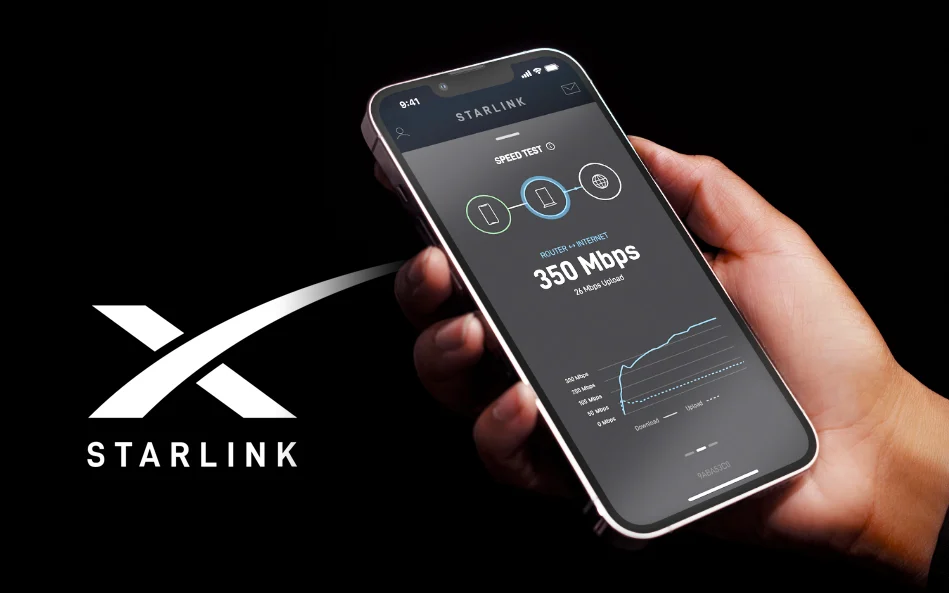
In Kenya’s fast-evolving digital era, internet access is no longer a luxury—it’s a necessity. Whether you live in Nairobi’s urban sprawl, a quiet village in Turkana, or a remote lodge in the Maasai Mara, staying connected enables work, education, entertainment, and innovation. As internet service providers expand their footprints, users now have the opportunity to choose between fiber, mobile, fixed wireless, and satellite-based solutions tailored to their lifestyle, location, and budget.
Among the newest and most transformative solutions is Starlink, a satellite-based internet service that breaks barriers of terrain and infrastructure. However, while Starlink provides the raw technology, having a trusted local partner ensures everything runs smoothly—from equipment supply and setup to long-term support. That’s where Starlite Internet Kenya comes in. With proven expertise in installing and supporting Starlink systems across the country, Starlite is the ideal bridge between cutting-edge connectivity and the everyday Kenyan user—rural farmers, safari lodges, schools, or mobile professionals.
If you’re ready to break free from slow, unreliable networks and embrace high-speed internet that follows you wherever you go, it’s time to make the switch. Visit Starlite Internet Kenya today to get started with Starlink and discover the power of seamless, satellite-powered connection backed by expert local support.
Table of Contents