






Starlink Price in Kenya: Everything You Need to Know
Reliable high-speed internet has become essential for homes, businesses, schools, and rural communities across Kenya. While fiber optic networks and mobile broadband cover many urban areas, satellite internet is emerging as a powerful alternative for regions where traditional connectivity is limited or inconsistent. Starlink, the satellite service developed by SpaceX, delivers fast, low-latency internet directly from its constellation of low-earth orbit satellites, providing access even in remote locations where other options fall short.
Understanding Starlink pricing in Kenya is crucial for making informed decisions about adoption. Costs include monthly subscription fees, the one-time purchase of the Starlink hardware kit, and optional service add-ons depending on usage needs. Residential users, businesses, and mobile operators each have different requirements, which influence the overall price. Knowing these details helps users anticipate the total investment and choose a plan that aligns with their internet demands and budget.
Starlink pricing in Kenya is designed to be transparent, allowing users to evaluate their options before committing. By comparing the subscription costs, hardware requirements, and service capabilities, households and organizations can determine the best solution for reliable internet access. Whether for personal use, business operations, or mobile connectivity, Starlink provides an opportunity to enjoy world-class satellite internet across Kenya, making it a smart choice for those seeking dependable online access.
1. What Determines Starlink Pricing in Kenya
Starlink pricing in Kenya is influenced by a combination of hardware costs, monthly subscription fees, service features, and additional factors like import duties and shipping. Understanding these components helps users make informed decisions when choosing the right Starlink package for their needs. Prices vary depending on the package type, level of priority data, intended usage, and location.
1.1 Cost Components: Hardware, Subscription, and Optional Services
The total cost of Starlink is made up of several elements:
Key Points:
• Hardware Costs: Users must purchase or rent a Starlink Kit, which includes the satellite dish, Wi-Fi router, mounting base, cables, and power supply. Standard kits cost around Ksh 39,000–85,000, while Mini kits range from Ksh 27,000–38,000. Rental options are also available for approximately Ksh 1,950/month.
• Monthly Subscription: Plans range from Ksh 1,300 for light Residential Lite users to Ksh 32,000 for business and priority packages.
• Optional Services: Additional services, such as enhanced support, mobile kits, or specialized business options, may add to the monthly cost.
Conclusion: Starlink pricing is a combination of one-time hardware investment and ongoing subscription fees, with optional add-ons for specialized needs.
1.2 Factors Affecting Pricing: Data Priority, Speed Tiers, and Package Type
Different Starlink plans and service levels affect monthly costs and overall pricing.
Key Points:
• Data Priority: Packages with priority bandwidth during network congestion, such as Business or Mobile Priority plans, are more expensive.
• Speed Tiers: Higher-speed plans (up to 220 Mbps) cost more than lower-speed packages.
• Package Type: Residential Lite, Standard Residential, Mini, Roam, and Business packages are priced based on intended usage, coverage, and mobility.
Conclusion: Pricing reflects the level of service, speed, and network priority that a user requires, allowing customers to select plans aligned with their specific needs.
1.3 Differences Between Residential, Business, and Mobile Plans
Starlink packages are tailored for different users, which influences cost.
Key Points:
• Residential Plans: Designed for home use, with options ranging from low-cost light browsing plans to higher-speed family plans.
• Business Plans: Provide priority data, high reliability, and support for multiple users or devices—ideal for SMEs, offices, and critical operations.
• Mobile Plans: Roam and Mobile Priority packages cater to travelers, field offices, or temporary setups, offering flexibility but at a higher cost due to mobility and priority services.
The type of plan directly affects the monthly subscription cost and determines the level of service, speed, and connectivity features available.
1.4 How Import Costs, Taxes, and Shipping Influence Final Prices
Starlink hardware and kits are imported into Kenya, which impacts the final cost for consumers.
Key Points:
• Import Duties: Customs fees and taxes increase the upfront hardware cost.
• Shipping Fees: Delivery from international warehouses adds to the overall expense.
• Currency Fluctuations: Exchange rates can affect both the hardware price and the monthly subscription cost when billed in USD.
Additional costs from taxes, duties, and shipping can make Starlink more expensive in Kenya compared to other countries, and they are important to consider when budgeting for the service.
Starlink pricing in Kenya is determined by a combination of hardware costs, subscription fees, service level, package type, and import-related expenses. By understanding these factors, users can select the plan that fits their budget, internet usage, and mobility needs, while also preparing for additional charges such as shipping and taxes.
2. Starlink Hardware Costs in Kenya

Before accessing Starlink’s satellite internet, users must obtain a Starlink kit. The hardware is essential for connecting to the low-earth-orbit satellite network and comes with everything needed for setup, including the satellite dish, router, and power supply. Costs vary based on the type of kit, availability, and whether the equipment is purchased or rented. Understanding these hardware options helps users budget effectively and choose the setup that suits their needs.
2.1 Components of a Starlink Kit
Every Starlink kit includes the critical components required for internet connectivity:
Key Points:
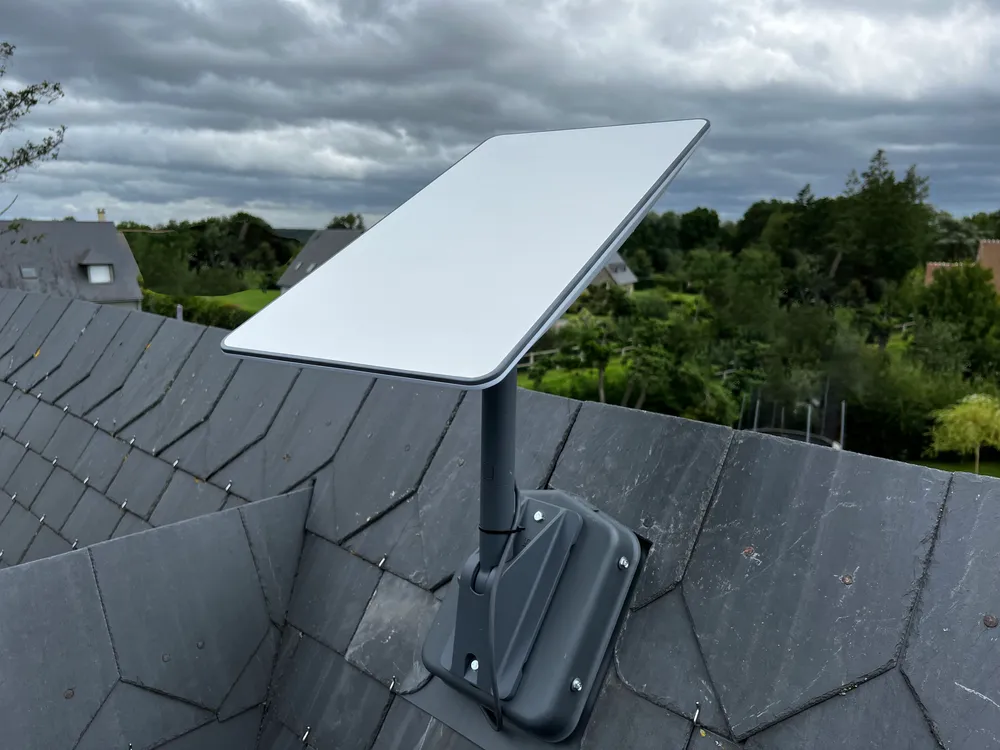
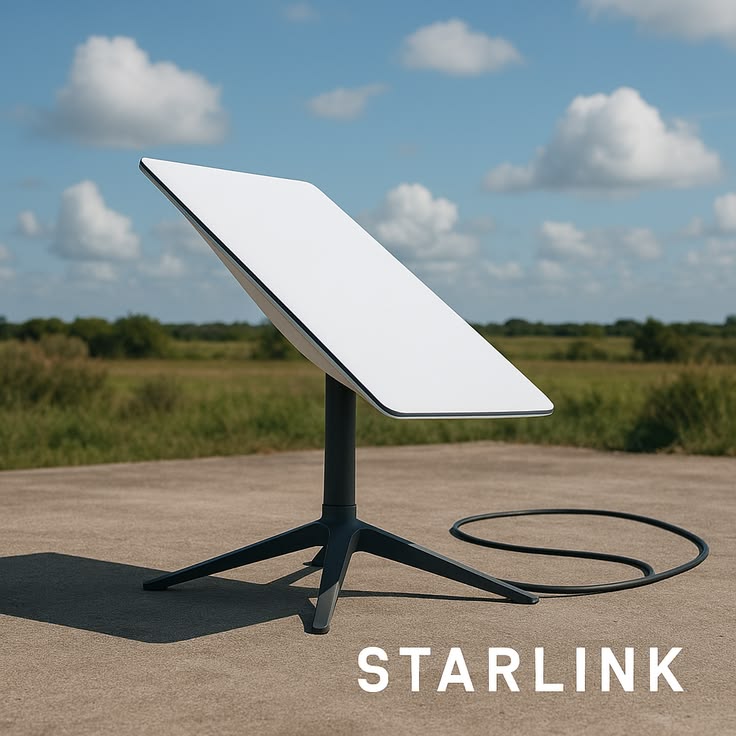
• Satellite Dish (User Terminal): Captures signals from Starlink satellites and transmits data.
• Router and Wi-Fi Equipment: Distributes internet connectivity within your home, office, or mobile setup.
• Mounting Base and Power Supply: Provides stability for the dish and ensures continuous power for operation.
The kit provides an all-in-one solution for reliable, high-speed internet access anywhere in Kenya, whether at home, in offices, or on mobile setups.
2.2 Residential Starlink Kit Costs
The standard Starlink kit is designed for households and light business use.
Pricing & Features:
• Price Range: Approximately Ksh 40,000–85,000, depending on the model, availability, and reseller.
• Best For: Home users, small offices, or households with moderate internet needs.
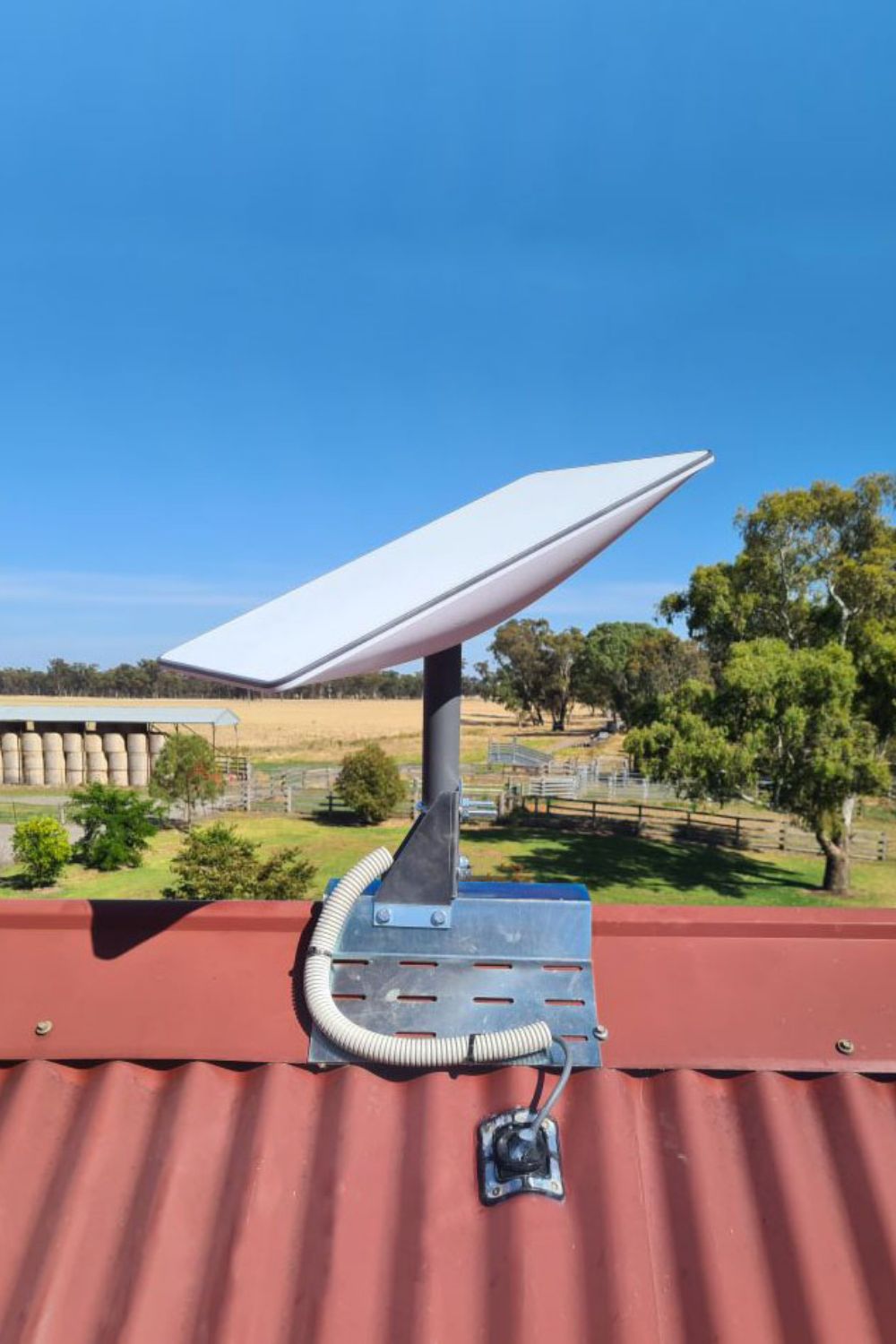
• Setup: Designed for semi-permanent installation with roof or pole mounts.
The residential kit provides a reliable, high-speed internet solution for families and small-scale businesses looking to enjoy Starlink connectivity.
2.3 Starlink Mini Kit Costs
The Starlink Mini kit is a smaller, more portable version of the standard kit.
Pricing & Features:
• Price Range: Approximately Ksh 27,000–40,000.
• Best For: Users requiring mobility, such as temporary installations, travel, or flexible deployment.
• Advantages: Lighter, easier to move, and consumes less power than the standard kit.
The Mini kit is ideal for users needing internet on the go or for temporary setups while still benefiting from Starlink’s satellite coverage.
2.4 Rental Options
For those who need short-term or temporary access to Starlink, rental options are available.
Pricing & Features:
• Monthly Cost: Approximately Ksh 1,950–3,500 per month, plus the cost of the selected subscription plan.
• Best For: Temporary projects, construction sites, events, or seasonal residences.
• Flexibility: Allows users to access high-speed internet without committing to a full hardware purchase.
Renting a Starlink kit provides a convenient and cost-effective way to test the service or manage short-term internet needs.
2.5 Factors Influencing Hardware Prices
Hardware prices in Kenya can vary due to several factors:
Key Points:
• Supply and Demand: Availability of kits from Starlink or local resellers may affect pricing.
• Reseller Markups: Costs can increase depending on the distributor or retailer.
• Logistics and Shipping: Importation, shipping fees, and taxes contribute to final costs.
• Regional Availability: Some counties or remote areas may experience higher prices due to delivery challenges.
Users should consider these factors when budgeting for Starlink hardware and plan for possible price fluctuations.
Starlink hardware is a crucial part of accessing satellite internet in Kenya. Whether purchasing a Residential Kit, opting for the Mini Kit, or choosing a rental option, users can select a setup that aligns with their budget, mobility needs, and intended usage. By understanding the components, pricing, and influencing factors, individuals and businesses can make informed decisions and enjoy reliable high-speed internet in both urban and remote areas.
3. Monthly Subscription Prices in Kenya

After securing the Starlink hardware, users must pay a monthly subscription fee that depends on the chosen package. Starlink offers a variety of plans tailored to different usage levels, household sizes, business needs, and mobility requirements. Understanding the monthly costs, data limits, and performance features helps users select the plan that provides the best value and meets their internet needs in Kenya.
3.1 Residential Standard Package
The Residential Standard Package is the most common choice for households with multiple devices and higher internet demands.
Pricing & Features:
• Approximate Cost: Ksh 6,500 per month.
• Data: Unlimited data at standard performance, suitable for streaming, remote work, and e-learning.
• Speed: Typically 50–220 Mbps depending on location and network conditions.
This package is ideal for families or individuals who require reliable high-speed internet for multiple devices and heavy usage.
3.2 Residential Lite Package
The Residential Lite Package offers a budget-friendly option for light internet users.
Pricing & Features:
• Approximate Cost: Ksh 1,300 per month.
• Data: 50 GB of priority data, after which access becomes unlimited but deprioritized during network congestion.
• Speed: 25–100 Mbps, sufficient for casual browsing, social media, and email.
Residential Lite is perfect for users with minimal data needs who want to enjoy Starlink’s connectivity at a low cost.
3.3 Business Packages
Starlink’s Business Packages are designed to support enterprise operations, offices, and organizations requiring stable and high-performance internet.
Pricing & Features:
• Approximate Cost: Ksh 8,000–32,000 per month, depending on priority data levels.
• Data: Priority bandwidth ensures reliable performance during network congestion.
• Speed: 40–220 Mbps, suitable for cloud services, video conferencing, and business-critical applications.
Business packages provide guaranteed performance, making them suitable for companies, SMEs, and institutions where uninterrupted connectivity is essential.
3.4 Roam / Mobile Packages
For users who need internet in multiple locations or temporary setups, Starlink offers Roam and Mobile Packages.
Pricing & Features:
• Approximate Cost: Around Ksh 14,000 per month (may vary by plan or location).
• Data: Unlimited usage within Kenya.
• Mobility: Supports portable setups for traveling users, temporary offices, or mobile enterprises.
• Speed: Typically 50–200 Mbps, ensuring good performance on the move.
Roam and Mobile packages are ideal for users requiring flexibility without sacrificing speed or reliability.
3.5 Factors Affecting Subscription Costs
Several factors can influence the monthly subscription price for Starlink in Kenya:
Key Points:
• Service Priority: Plans with priority access during network congestion are more expensive.
• Data Allocation: Packages with unlimited or high-priority data cost more than deprioritized plans.
• Reseller Terms: Prices may vary depending on local distributors or additional service fees.
Users should consider these factors to choose a plan that matches their usage needs and budget, ensuring they get the best value from Starlink’s satellite internet service.
Starlink’s monthly subscription fees in Kenya are structured to accommodate a wide range of users—from light residential customers to high-demand businesses and mobile operators. By understanding the costs, data limits, and performance levels of each package, individuals and organizations can select the right plan to enjoy fast, reliable, and flexible satellite internet connectivity anywhere in the country.